Nabih Youssef & Associates · Tenant Improvement Projects
ENGINEER
ING
INNOVATION
Three projects. Three structural breakthroughs. Each one a story of how bold thinking transforms the built environment.
THE ELASTIC
STAIR
A STAIR THAT
BREATHES
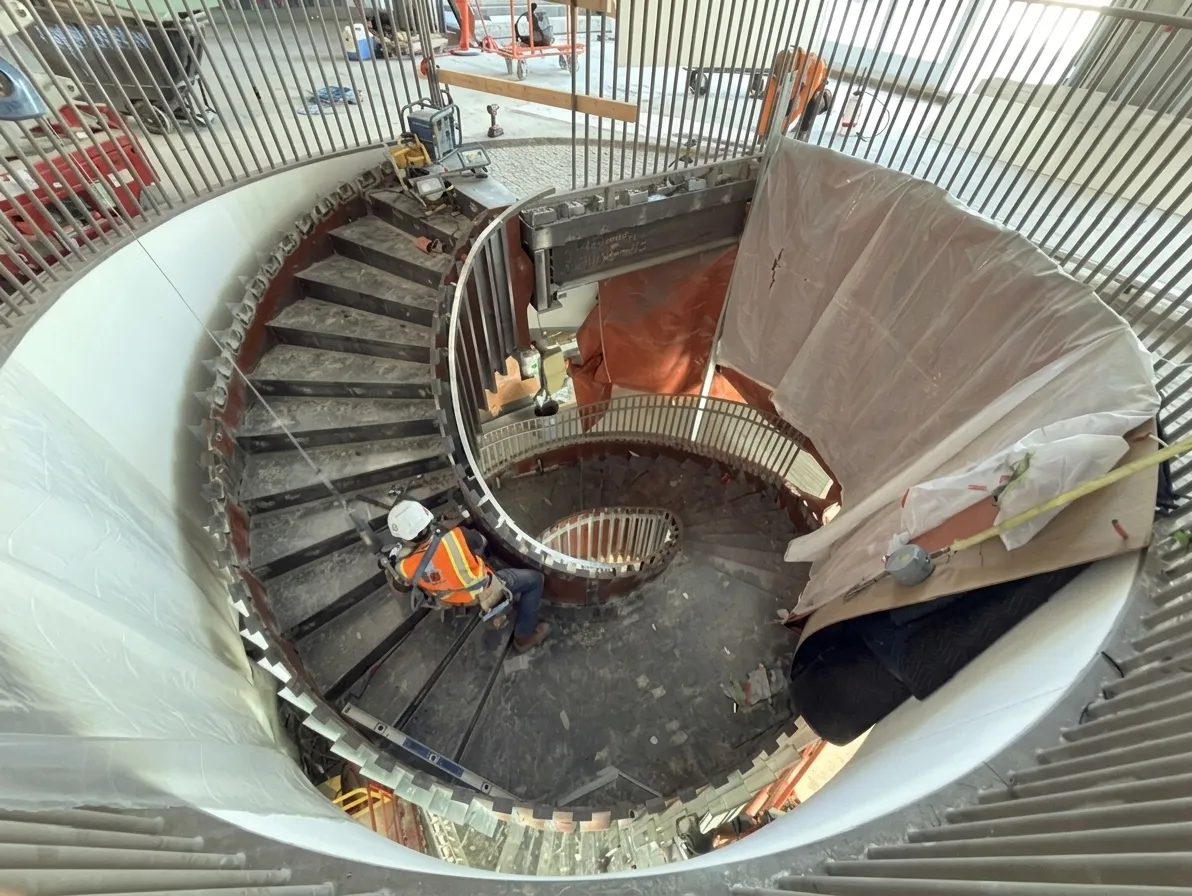
In most buildings, stairs are rigid — bolted between floors, unyielding. In this project, two floors were designed to move independently of one another, responding to seismic drift and live load deflection.
The challenge: design a monumental spiral stair that connects them — elegantly, safely — without restraining that movement.
THE JEWEL
BOX
DENSE WITH
STRUCTURE,
STARVED OF SPACE
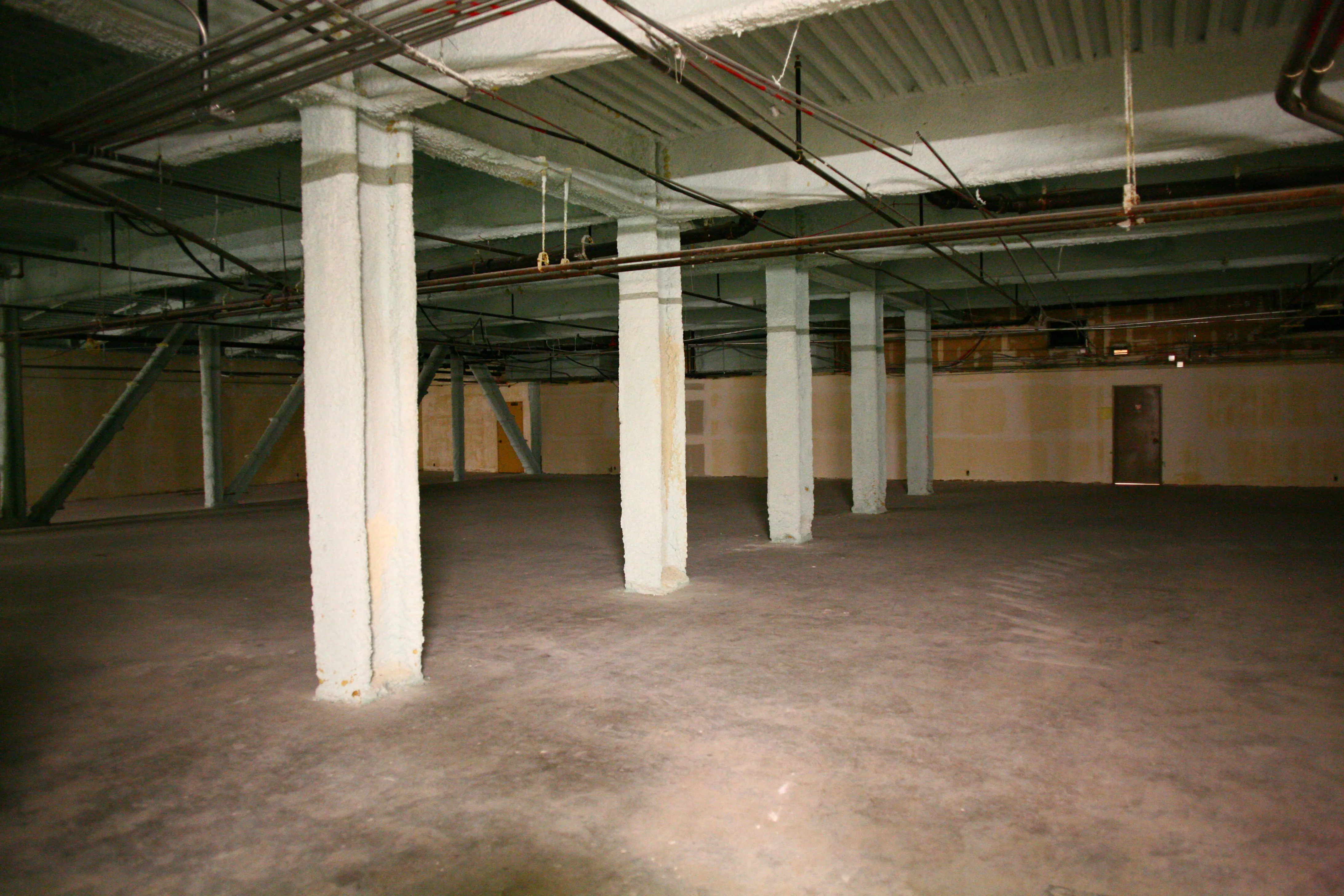
The existing building was a maze of internal columns and diagonal bracing — a legacy structural system that colonized the very space tenants needed. Floor plans were fragmented, sight lines broken, and the architecture's potential remained locked behind steel.
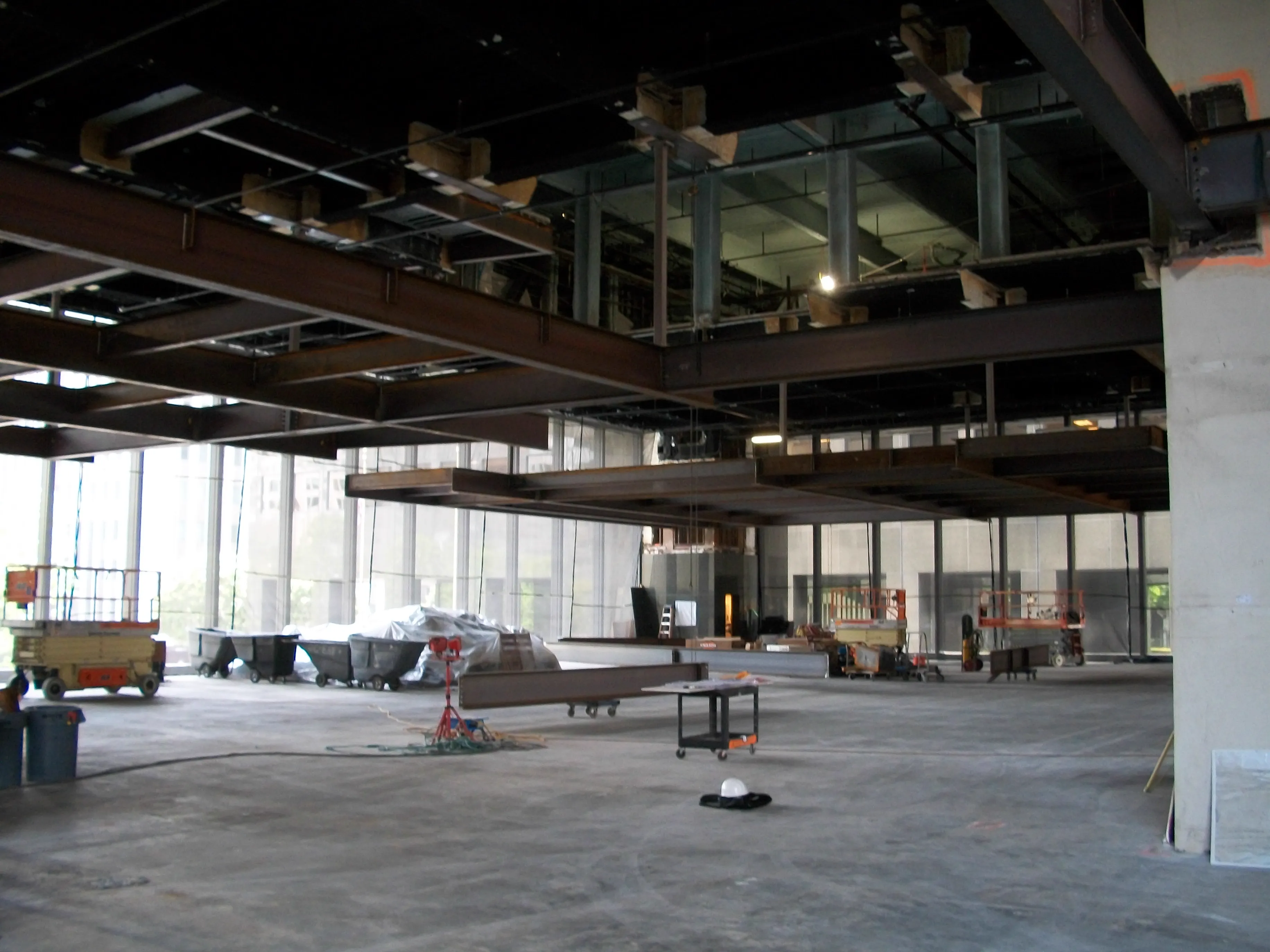
NYA's solution was radical in its clarity: remove everything from the interior. Four massive corner columns were introduced to carry enormous transfer trusses spanning the full width at the upper level. All intermediate floors were then hung from these trusses — suspended like a bridge deck — leaving the interior entirely column-free.
This strategy echoes a celebrated principle in security-critical design. The Federal Reserve Bank of Minneapolis (1972, Gunnar Birkerts & Associates) pioneered the suspended floor system in an institutional context — floors hung from a catenary cable between two above-grade towers — deliberately eliminating all ground-floor columns to prevent vehicle and blast intrusion into the banking floor. The logic is the same: when the ground is the point of vulnerability, remove structure from it entirely. NYA applied this same thinking not for security, but for spatial freedom.
THE QUATER
FOIL
FREEING THE
LIGHT
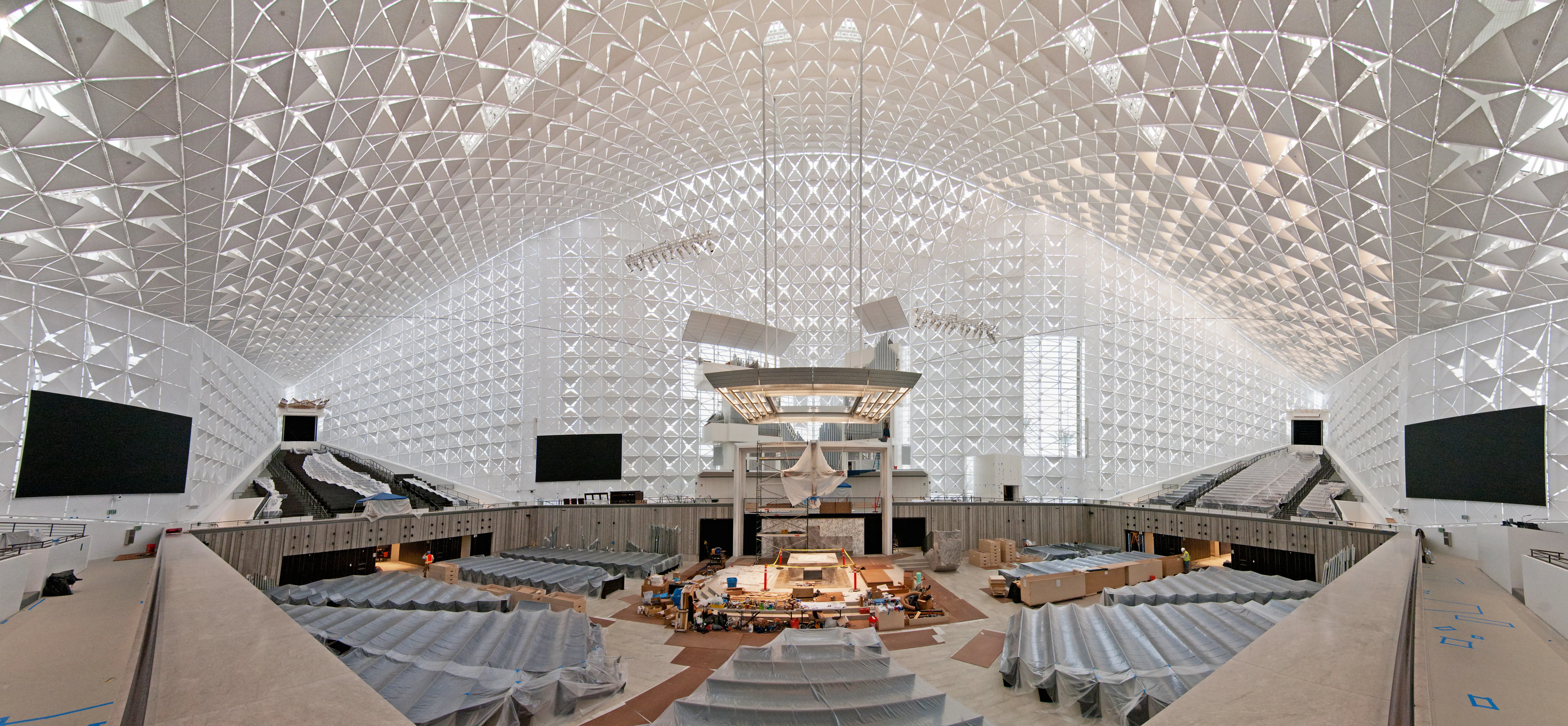
The Crystal Cathedral — Philip Johnson's iconic 1980 glass structure — was acquired by the Roman Catholic Diocese of Orange and reimagined as Christ Cathedral. The transformation required more than aesthetic changes: the interior columns that had interrupted the vast, shimmering nave had to go.
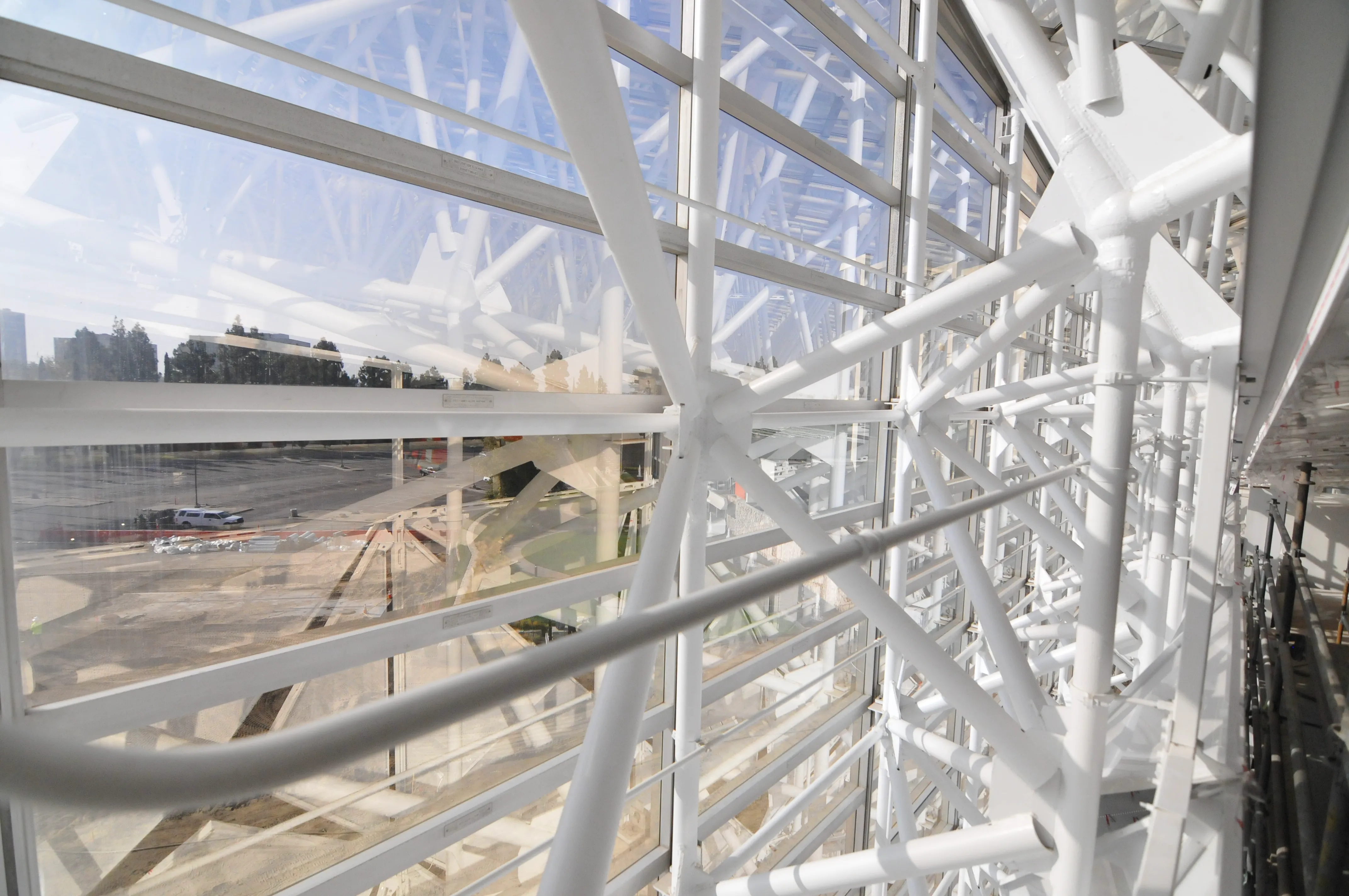
The building's structural system, a three-dimensional space frame of white-painted tubular steel members, was one of the largest ever constructed when built. It was also the key to the transformation.
By redistributing loads through the existing space frame — which acts as an enormous three-dimensional truss spanning the full cathedral volume — NYA was able to eliminate interior support columns, opening a continuous, column-free nave of extraordinary scale.
The quaterfoil plan geometry, with its four interlocking lobes, creates a centralised liturgical space that demands complete openness. Every sight line, every gathering moment, depends on the absence of obstruction.
Nabih Youssef & Associates served as the Structural Engineer of Record for the renovation, providing structural analysis, redesign of load paths through the existing space frame, and engineering for the removal of interior columns. The work required deep understanding of an unusual legacy system — the original space frame — and the creativity to turn its redundancy into an opportunity for transformation.